













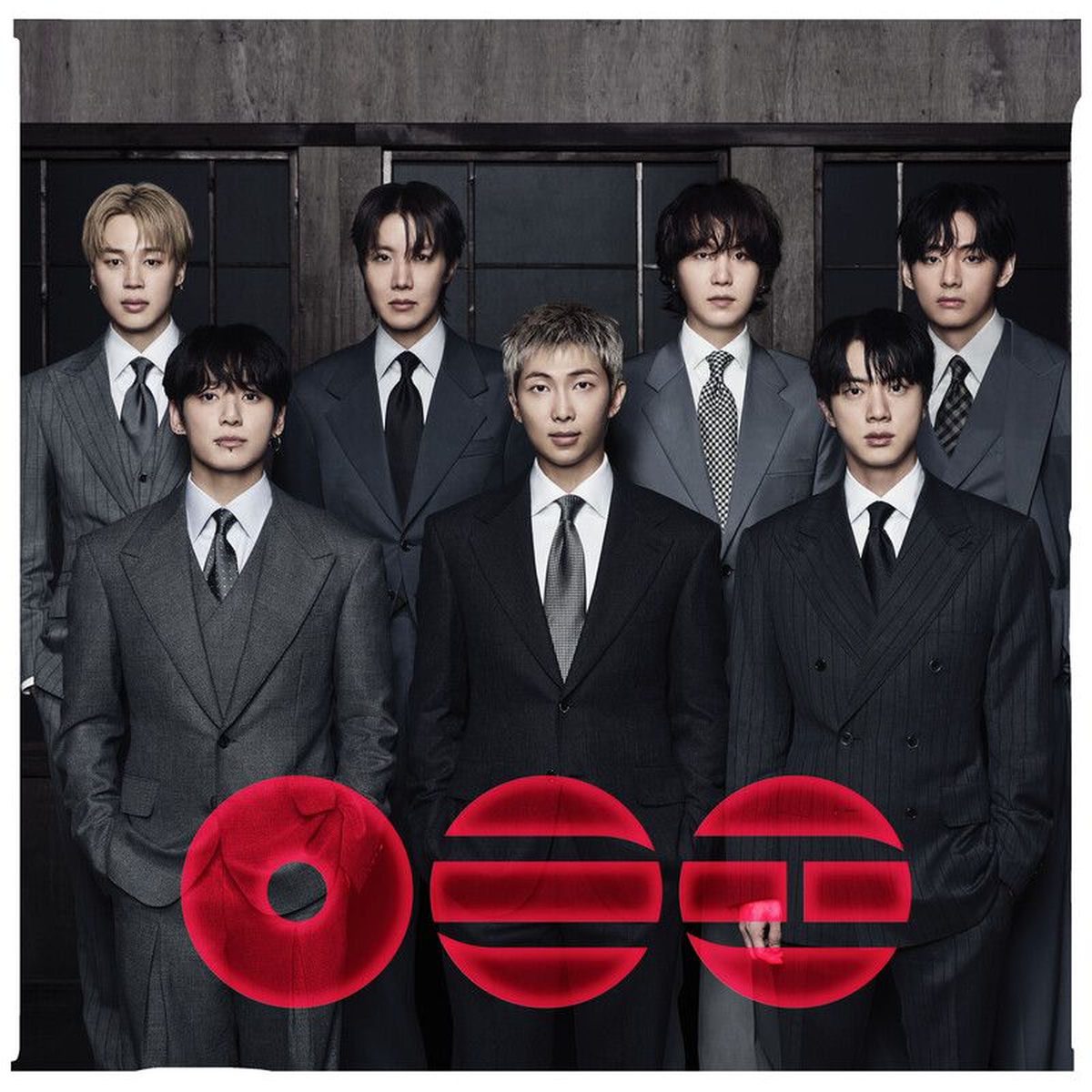
BTS made their long-awaited return to the stage at Gwanghwamun Square on March 21, performing live together for the first time in nearly four years. With their fifth studio album ‘ARIRANG’, and a sold-out world tour with 82 stops across 23 countries, the seven members returned with new songs and new performances highlighting fresh sounds and the revelation of how much their artistry has grown over the past decade.
They’re back more authentic than ever, and with a release that stays true to who they are as artists, celebrating not only their culture but the strong connection they share with their craft and every ARMY who waited for them. ARIRANG (named after one of Korea’s oldest and most beloved folk songs) becomes a testament to love for the already-closed chapter of BTS and the new one about to begin.
The Return: Four Years of Anticipation
The last time all seven BTS members performed together was in October 2022, during the BTS “Yet To Come” in Busan. At that time, Jin asked ARMY to wait for them, and soon after, there were three years and nine months of solo projects and the completion of their mandatory military service, with Suga being the last member to finish his service in June 2025.
That same summer, all seven members reunited in Los Angeles to start working on their new music and begin recording. Those recording sessions then led to their fifth studio album, ARIRANG, released simultaneously on March 20 with SWIM as the title track, the first in almost six years.
The album merges a wide variety of sounds from hip-hop, rock, R&B, and Korean folk rhythms, such as the sample of “Arirang” in Body to Body, the jungmori rhythm in Alien, and the sacred bell of Great King Seongdeok in No. 29.
What Arirang Means and Why It Matters Now
It’s said that “Arirang” is several centuries old, has hundreds of regional versions, and its place of origin and authors remain unknown. The song centers on a traveler crossing a mountain pass, capturing feelings of longing, departure, endurance, and even hope.
Over time, the song took on greater significance. In 1926, singer Yi Chong-Suk performed Arirang at the premiere of a silent film of the same name, despite efforts by Japanese colonial authorities to censor it. The song then became a powerful symbol of resistance, and an unofficial anthem that gave people a way to express their sorrow, perseverance, and national identity.
Although the album was recorded in Los Angeles with a group of international producers, including Diplo, Kevin Parker of Tame Impala, Mike WiLL Made-It, and Ryan Tedder, its emotional core remains deeply Korean and clearly shows BTS’s roots and journey as Korean artists in the global music industry.
After listening to the whole album, it’s also safe to say that Arirang is a chant of hope that is needed now more than ever, as we face the difficulties of an ever-changing modern reality that often defies our identity, roots, and the places we came from. It’s the perfect reminder that no matter where we are in the world, our universal feelings of joy, love, and resilience will continue to move us forward. And the part of us that longs for our ancestors, will still belong to them.
From The Stage to The Outfits: Every Detail Intentionally Crafted
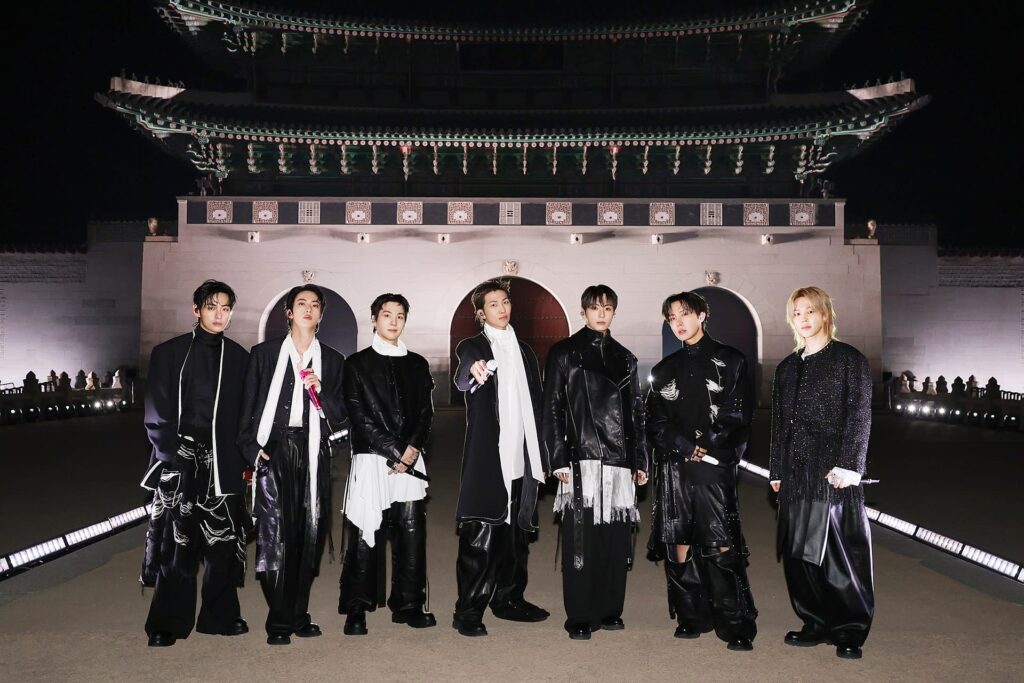
The “BTS The Comeback Live: Arirang” concert was held in Gwanghwamun Square, right in front of Gyeongbokgung Palace, one of Korea’s most historic sites, and a witness to the different emotional chapters of the Korean people from royal traditions and protests to celebrations and major events like the 2002 FIFA World Cup.
In the same sense, their outfits were a total match for the location, as they were a modern reinterpretation of the protective armor worn by Joseon Dynasty warriors, designed by Korean designer Jay Songzio for his “Lyrical Armor” collection.
To make it more meaningful, every member got assigned a role into the collection’s story: RM as the Hero, Jin the Artist, Suga the Architect, J-Hope the Sorigun (with ‘Sori’ meaning sound and ‘gun’ meaning man in Korean), Jimin the Poet, V the Doryeong (a noble and refined gentleman), and Jungkook the Vanguard.
ARMY as Seoul's Special Guest
The concert was free to attend, with only 22,000 people gaining entry to the exclusive special area at Gwanghwamun Square through the “golden ticket.”
The city welcomed ARMY in a unique way, making sure they had a safe place to explore and enjoy everything set up for them. From early morning, fans gathered in an area full of cafes, bars, local restaurants, and shops. These places greeted ARMYs with purple billboards, decorated storefronts, and even drinks with the ARIRANG logo stamped on them.
Reports then confirmed that the concert alone drew over 104,000 people, and the BTS’s comeback concert live on Netflix boosted app installations by 347% in South Korea.

BTS’s comeback was everything we imagined it to be: healing, powerful, and filled with the unique essence that makes them who they are. The hour flew by, but it was enough to prove the bond with ARMY was real, had survived the group’s time apart, and was, somehow, even bigger now than when it began.
This sense of connection was expressed by Jin, the first to enlist and the first to be discharged. He remarked, “I had a lot of worries before standing here again. But I’m thankful and happy to be able to see you once more.”
Arirang, just as it’s a song about longing and departure, is also a song about coming back. For this reason, it turned out to be the perfect title for the album after all.
And the story doesn’t end here; what comes next is just as exciting. BTS will kick off their world tour next month in Goyang, South Korea, before heading out to visit 34 cities around the world over the course of a year.
In the weeks ahead, the members will continue with promotions, new content, and all the in-between moments that bring us closer to each other. Stay up to date on everything at 2026bts.com.
FAQs
Arirang is named after one of Korea’s oldest folk songs, a centuries-old tune about a traveler crossing a mountain pass. It captures themes of longing, departure, and endurance, and historically became a symbol of resistance during Japanese colonial rule.
Yes, BTS kicked off a sold-out world tour with 82 stops across 23 countries, starting in Goyang, South Korea. The tour follows their comeback concert at Gwanghwamun Square, their first time performing together in nearly four years.
The comeback concert, “BTS The Comeback Live: Arirang,” was held at Gwanghwamun Square in Seoul, right in front of Gyeongbokgung Palace. It drew over 104,000 people and was also streamed live on Netflix.
Yes, all seven members reunited after completing their mandatory military service, with Suga finishing his service last in June 2025. Their first performance together as a complete group came on March 21, 2026, at their comeback concert in Seoul, marking their first time on stage together since October 2022.